School Programs

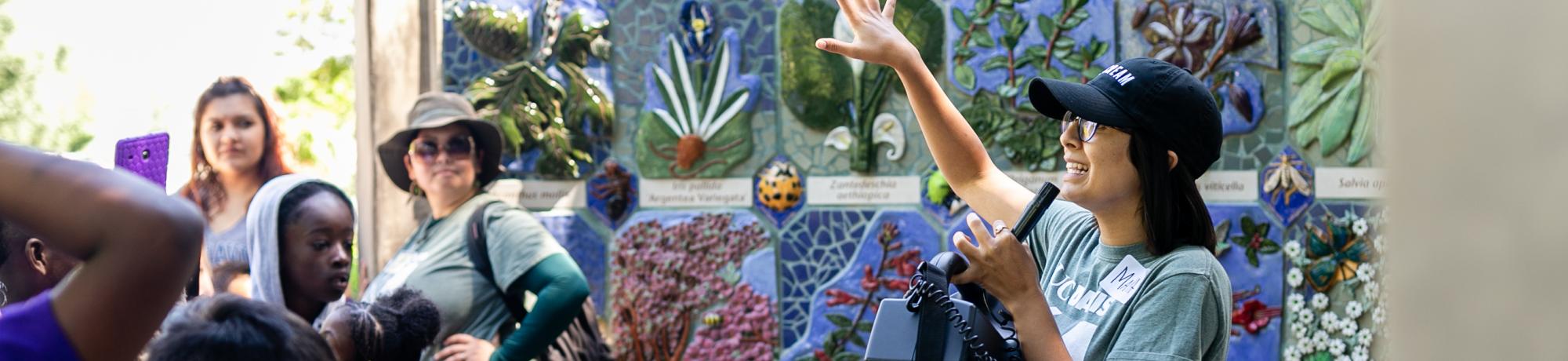
Elementary school classes from throughout the Sacramento Valley come to the UC Davis Arboretum to learn about the natural history of the region. During guided tours, volunteer naturalists lead small groups that explore the ecology of the Arboretum along the banks of the old north fork of Putah Creek, and use hands-on activities to reinforce the California life science and/or history-social science standards for the appropriate grade.

Due to budget limitations, we are currently running our school tour program only in the fall. Classes can visit the Arboretum independently and tour the gardens at any time.

Fall Tour Season (October-November)
Grades 3 and 4: Traditional Uses of California Native Plants
• History of Native Californians, particularly local Patwin people
• Ethnobotany—traditional uses of plants
• Native American games and cordage making

School programs, designed for Grades 3-4, are scheduled on Tuesday and Thursday mornings, 9:30–11:30 a.m. The fee is $5 per student. There is a 10 student minimum and a 40 student maximum.

We will post information about the Fall 2012 season during the summer. To sign up, please submit a completed tour application and payment. You will then receive a confirmation packet with directions and chaperone guidelines. For more information, please contact us at (530) 752-4880 or arboretum@ucdavis.edu. We look forward to seeing you at the UC Davis Arboretum.

Planning and Organizing Your Class Visit

School Tour Application
What is the Arboretum?
Guidelines for Your Visit
Information for Teachers and Chaperones

Directions
Transportation & Directions to Wyatt Deck
Map to Wyatt Deck
Arboretum Visitor Map


Classroom Activities

Second Grade Activities on Life Cycles
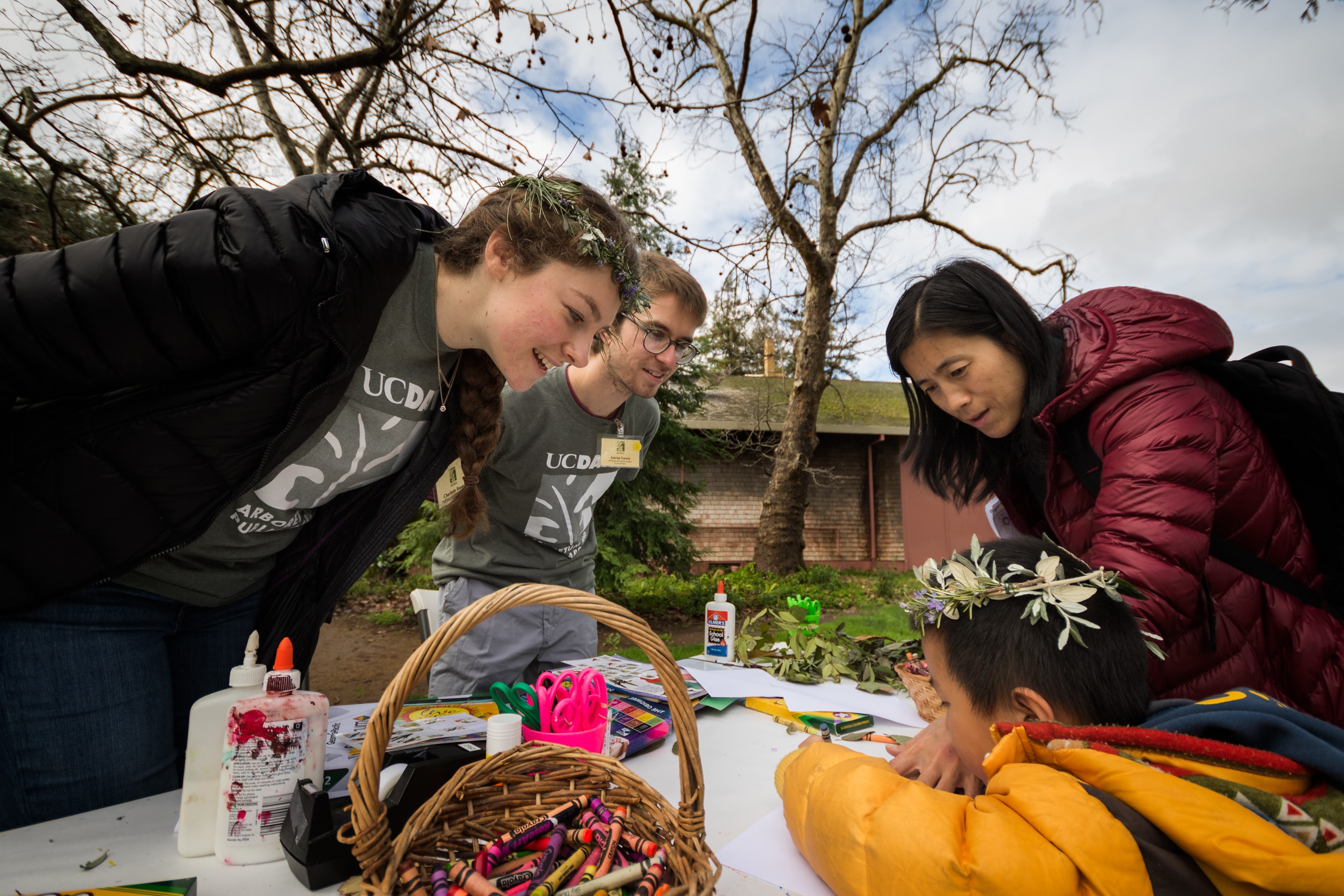
A Coat For a Seed Students will learn concepts connected to the life cycles of plants via the exploration of the parts of a bean. (Estimated activity time: 30 minutes.)

Plant Parts This activity helps students learn about plant structures by letting them identify which parts of plants some familiar foods represent. For example, is broccoli a fruit, a stem, a bunch of leaves, or flowers? (Estimated activity time: 30-45 minutes.)

Seed Need This activity helps students see how some plants use animals to carry their seeds and disperse them. (Estimated activity time: 40 minutes.)

Odes to Plants In this activity, students will communicate information about plants through creative poetry, which can incorporate personal values as well as facts. (Estimated activity time: 30 minutes.)

Fourth Grade Activities on Adaptations
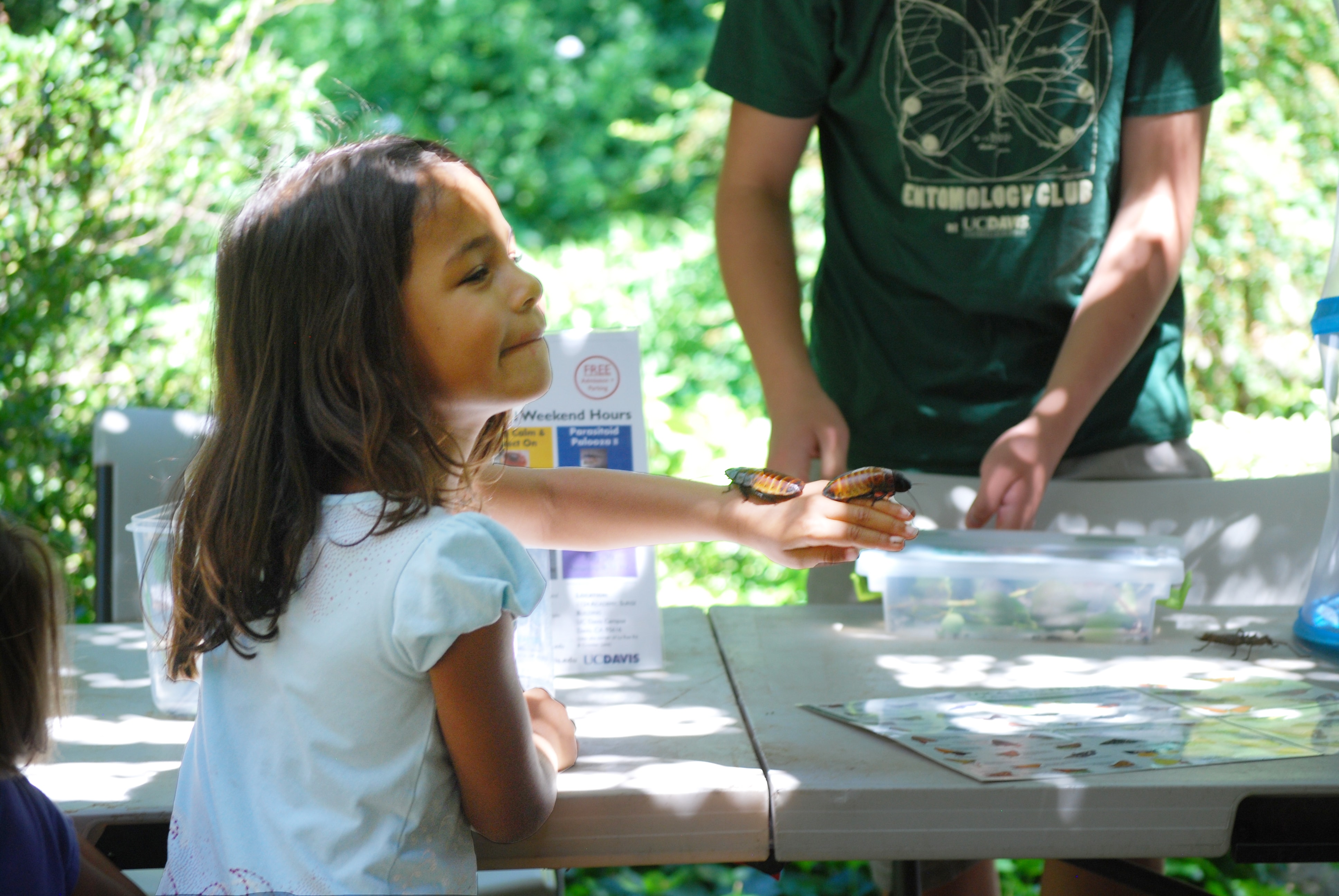
Butterfly Camouflage This activity simulates a butterfly’s adaptation to its habitat through means of camouflage and the role adaptations play in predation. The goal of this activity is to introduce or re-emphasize the idea of adaptation by looking at an example of camouflage. (Estimated activity time: 15-30 minutes.)

Bird Beaks This activity introduces the concept of adaptation to students. They will use different kinds of everyday household tools to develop an understanding about how different shapes of bird beaks help birds eat specific kinds of foods. (Estimated activity time: 30-45 minutes.)

Odes to Plants In this activity, students will communicate information about plants through creative poetry, which can incorporate personal values as well as facts. (Estimated activity time: 30 minutes.)


 

Other Opportunities with Outdoor Education

Self-Guided Tours are another popular option for classes wishing to explore the UC Davis Arboretum. These tours are free. Call (530) 752-4880 for more information.

Volunteer Naturalists. Community volunteers are vital to our Outdoor Education Program. If you are interested in becoming a volunteer naturalist or working with us on a school project (examples: school garden, environmental curriculum, special tours), please contact us at (530) 752-4880 or arboretum@ucdavis.edu. For more information on volunteering, click here: Volunteering at the UC Davis Arboretum.

Student Interns are invited to get hands-on experience in outdoor education and leading school tours. Interns can receive up to 3 units per quarter or 2 units per semester with the UC Davis Arboretum. For more information on our internship program, click here: Internships at the UC Davis Arboretum.